Can Invisalign Calabasas CA Fix Crowded Teeth?
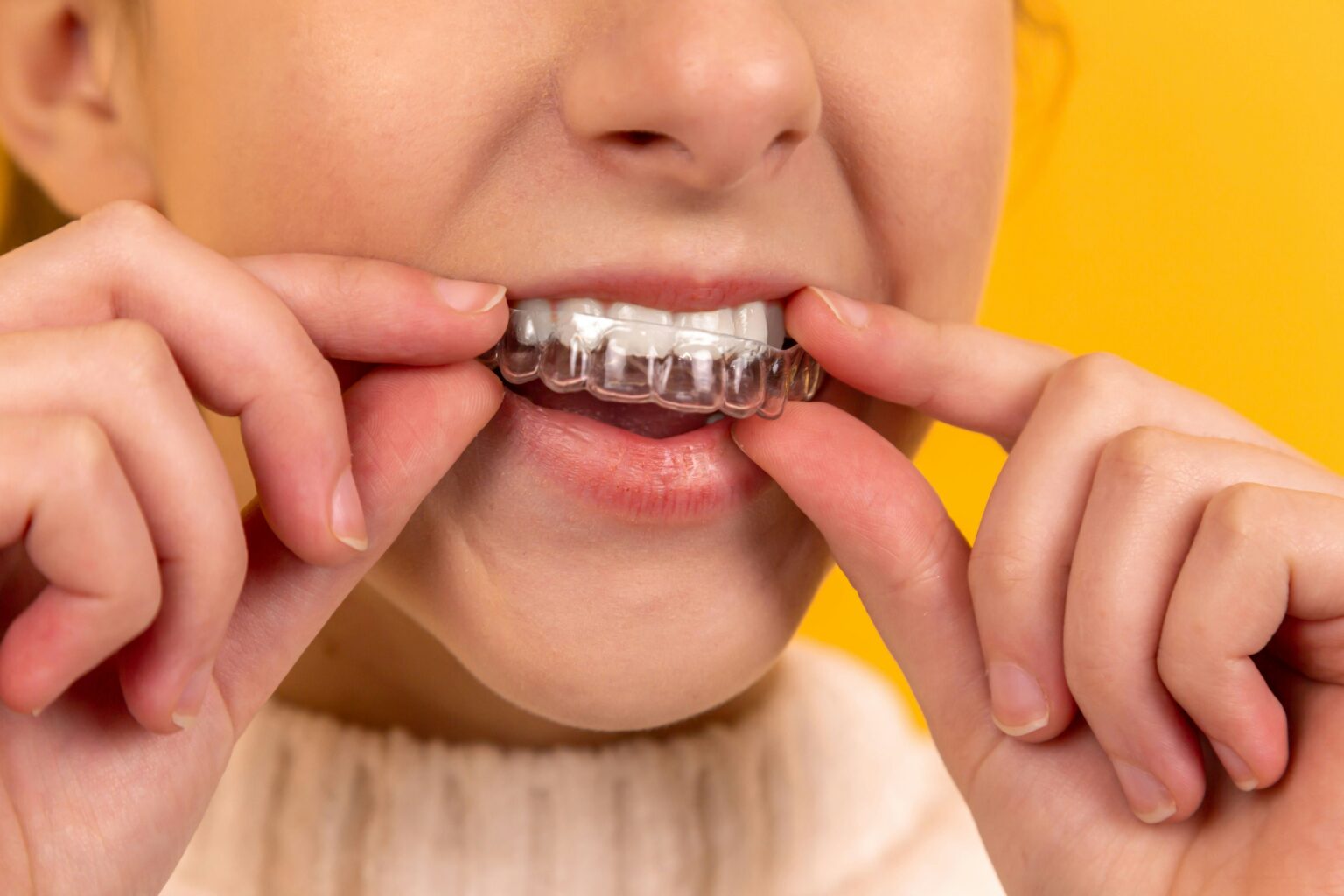
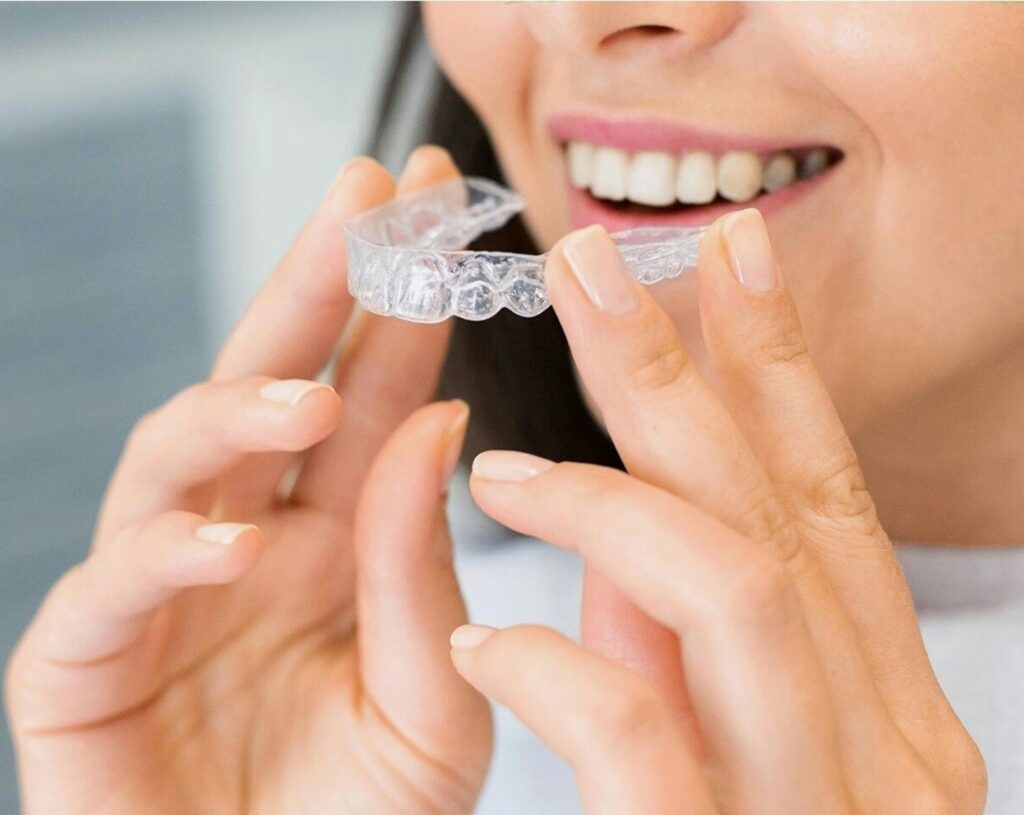
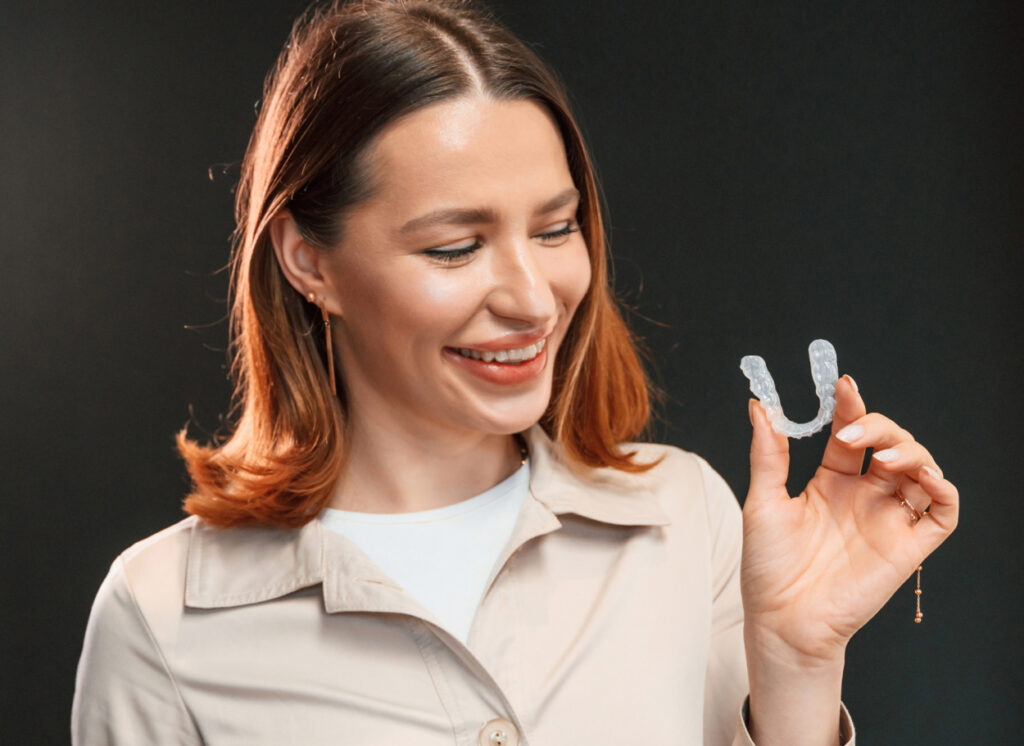
Crowded teeth are one of the most common reasons people ask about clear aligners, and for good reason. Crowding can make a smile look uneven, but the cosmetic side is only part of the story. When teeth overlap, twist, or sit too tightly together, they become harder to clean properly. That often means more plaque buildup, more inflamed gums, and more wear in the wrong places over time.
For many adults and teens, the first question is simple: can Invisalign actually fix this, or is it only for minor touch-ups? The short answer is yes, Invisalign can often correct crowded teeth. The longer answer is that it depends on how severe the crowding is, where it is happening, how the bite fits together, and whether there is enough room to move the teeth safely. Those details matter far more than marketing claims.
If you are researching Invisalign Calabasas CA because your teeth feel too tight, look crooked in photos, or have become harder to floss as you have gotten older, it helps to know what aligners can realistically do, where they work well, and when traditional braces may still be the stronger option.
What crowding really means
People often use the phrase “crowded teeth” loosely, but orthodontically it has a specific meaning. Crowding happens when there is not enough space in the dental arch for all the teeth to line up in proper positions. Instead of sitting neatly side by side, teeth may rotate, overlap, push forward, or get trapped behind neighboring teeth.
You can see this in different ways. Sometimes the lower front teeth start to overlap slightly, which is extremely common in adults. In other cases, a canine erupts too high, or one upper lateral incisor twists because there simply is not enough room. I have seen patients who assumed they had “just one crooked tooth,” only to learn that the issue involved the entire arch and the way their bite distributed pressure.
Crowding is not always severe. Mild cases may involve just a few millimeters of space shortage. Moderate to severe crowding can affect several teeth and may come with a deeper bite, crossbite, or arch narrowing. That distinction matters because Invisalign tends to be very effective for mild to moderate crowding, while more complex cases require more planning and sometimes a different tool.
Why crowded teeth are more than a cosmetic issue
A crooked smile is often what drives someone to schedule a consultation, but health concerns usually become clear once the exam starts. Teeth that overlap create narrow spaces that toothbrush bristles and floss struggle to reach. That can lead to chronic plaque retention, localized gum inflammation, and staining that keeps returning even after cleanings.
There is also the issue of uneven contact. When teeth sit out of position, chewing forces may not spread evenly across the bite. One tooth can take more load than it should. Over the years, that can contribute to chipping, gum recession, mobility, or jaw strain in patients who already clench or grind.
Some patients notice practical annoyances before they notice health risks. Food traps in one spot every time they eat. Floss shreds between crowded lower front teeth. A tooth edge catches the inside of the lip. These are small frustrations, but they often signal that alignment is not just a cosmetic preference.
How Invisalign moves crowded teeth
Invisalign works through a series of custom-made clear aligners that apply controlled pressure to move teeth gradually. Each set is designed to make small positional changes, and the trays are switched on a schedule determined by the treating provider. As the teeth move, the crowding can begin to unravel, creating a more even arch form.
What surprises many patients is that straightening crowded teeth is not always about “pushing the crooked one back.” Often, the doctor creates room across the arch in several ways. Teeth can be gently expanded within healthy limits, certain teeth can be rotated to take up less space, and in some cases a tiny amount of enamel is polished between selected teeth to gain fractions of a millimeter. Those small adjustments add up.
This is where treatment planning matters. Aligners are not magic shells that automatically fix everything. They follow the plan built from scans, photographs, X-rays, bite analysis, and clinical judgment. A good provider looks at the whole system, not just the tooth the patient points to in the mirror.
When Invisalign tends to work well for crowding
In many cases, Invisalign is an excellent option for crowded teeth. Mild crowding of the upper or lower front teeth is especially common and often responds well. Moderate crowding can also be treated successfully if the roots, gums, and bite support the movement.
Adults often like Invisalign because the trays are discreet, removable, and easier to manage in professional and social settings than braces. Teens may do well too, especially when appearance is a major concern, though compliance becomes part of the equation. The aligners need to be worn as prescribed, usually around 20 to 22 hours a day. A beautifully designed treatment plan can stall if the trays spend too much time in a case on the kitchen counter.
Some of the cases that often fit Invisalign well include rotated front teeth, lower incisor overlap, mild arch constriction, and crowding that can be relieved without extractions. That last point is important. Once extractions enter the conversation, treatment mechanics become more complex, and not every extraction case is ideal for aligners.
When crowding may be too severe for Invisalign alone
There are limits. Severe crowding may require more space than aligners can predictably create without compromising tooth position or gum support. If a tooth is blocked out far from the arch, if the roots need substantial correction, or if the bite is significantly off, braces may provide better control.
That does not mean Invisalign is ruled out the moment a case gets complicated. Modern aligner systems can handle far more than they could years ago, especially in experienced hands. Still, some cases are better treated with braces from the start, or with a hybrid approach where braces are used for part of the process and aligners for finishing.
This is one of the biggest disconnects between advertising and real treatment. The question is not Invisalign Calabasas CA oaksdentistry.com whether aligners can move teeth. They can. The question is whether they can move your particular teeth efficiently, safely, and predictably enough to be the right choice. That takes judgment.
Space creation, the part patients rarely expect
A crowded arch does not become uncrowded unless space is created somewhere. This is the part of treatment many patients have not thought about before the consultation. They assume the trays simply straighten the visible overlap, but the provider is really solving a space problem.
There are several ways this may be done. Arch development can add room in carefully selected cases. Rotated teeth can be untwisted, which changes how much room they occupy. Interproximal reduction, sometimes called IPR, can create tiny amounts of space by reshaping contact points between certain teeth. In more advanced cases, extractions may be discussed, though that is less common in straightforward adult crowding cases seen in general cosmetic orthodontics.
IPR tends to worry people because it sounds aggressive, but in practice it is often very conservative. We are usually talking about fractions of a millimeter. When done appropriately, it can be the cleanest way to gain needed room without flaring teeth outward or prolonging treatment. It is not right for everyone, especially if enamel is already compromised, but it is a standard tool in well-planned aligner therapy.
The bite matters as much as the crowding
A patient may focus on one crooked canine, but the bite tells the real story. If the upper and lower teeth do not fit together properly, simply lining up the front teeth may not solve the underlying problem. In fact, it can create new issues if aesthetics are prioritized without enough attention to function.
I have seen crowded cases where the front teeth looked like the problem, but the deeper issue was a narrow arch combined with a crossbite. Others had lower crowding tied to a strong bite pattern and years of grinding. If you only look at the front six teeth, you miss the mechanics that caused the crowding or keep it under pressure.
That is why a thorough Invisalign consultation should include more than a quick scan and a price quote. The provider should evaluate how your teeth meet, whether the gums and bone are healthy enough for movement, whether wisdom teeth or missing teeth affect the plan, and whether jaw habits like clenching will complicate retention later.
Adult crowding is common, and it often gets worse slowly
Many adults say, “My teeth were not this crooked when I was younger.” That observation is often accurate. Teeth can shift over time due to natural aging, bite forces, restorations, gum changes, or inconsistent retainer use after earlier orthodontic treatment.
The lower front teeth are famous for this. Even a person who had braces as a teen may notice increasing overlap in their 30s, 40s, or 50s. Sometimes the movement is subtle. Sometimes it becomes obvious enough that flossing and cleanings get more difficult. The good news is that adult crowding is often very treatable. The less cheerful reality is that adult teeth do not have a “memory” of staying straight forever. Retention matters after treatment, often permanently.
What to expect during an Invisalign consultation in Calabasas
If you are exploring Invisalign Calabasas CA, the best consultations tend to be detailed and practical. A provider should look beyond the appeal of clear trays and tell you whether your case is a good fit, where the limits are, and how much cooperation the process will require from you.
A strong consultation usually covers these points:
- How severe the crowding is and whether it is mild, moderate, or severe.
- Whether enough space can be created without compromising the bite or gum health.
- How long treatment is likely to take, usually in a range rather than an exact promise.
- Whether attachments, IPR, elastics, or refinements are likely to be needed.
- What kind of retainer plan will be necessary once the teeth are straight.
That last point should not be brushed aside. Retainers are not an optional afterthought. Crowded teeth have a real tendency to relapse if retention is inconsistent.
How long treatment usually takes
Treatment time varies widely because crowding varies widely. A mild case may take several months. Moderate cases often take closer to a year, sometimes longer, especially if refinements are needed. More complex cases can stretch beyond that.
Refinements are common, and patients should know that up front. After the initial series of aligners, the doctor may rescan the teeth and order additional trays to fine-tune areas that did not track perfectly. This is not a sign that treatment failed. It is part of how real orthodontic treatment works. Teeth are biological structures, not machine parts, and they do not always move exactly on the computer timeline.
The most important variable under the patient’s control is wear time. If aligners are worn inconsistently, treatment slows down and tracking problems become more likely. A patient who wears trays 12 hours a day instead of 22 can turn a manageable case into a frustrating one.
Attachments, refinements, and other details patients notice later
Many people picture Invisalign as “invisible trays,” then feel caught off guard when they learn about attachments. These are small tooth-colored bumps bonded to certain teeth so the aligners can grip and move them more precisely. They are common, especially in crowded cases where rotation or root control is needed.
Attachments are not glamorous, but they are often what make the treatment work. The same is true of elastics in cases where bite correction is part of the plan. Neither should be viewed as a drawback so much as a sign that the doctor is using the full system rather than oversimplifying your case.
Speech changes, pressure when switching trays, and temporary soreness during the first few days of a new aligner are also common. Most patients adapt quickly, but those details matter in everyday life. If someone has frequent business lunches, drinks coffee slowly over several hours, or snacks constantly, aligner compliance becomes more demanding than they expected.
Invisalign versus braces for crowded teeth
This comparison matters because not every crowded case should default to aligners just because they are popular. Braces still offer advantages in certain situations, especially when teeth are severely rotated, highly displaced, or part of a more difficult bite problem.
Invisalign offers excellent aesthetics, removability, and easier brushing and flossing. For disciplined patients with mild to moderate Invisalign Calabasas CA crowding, it can be a very comfortable fit. Braces, on the other hand, do not rely on patient compliance in the same way because they stay on around the clock. They can also provide very direct control over difficult tooth movements.
The better option is the one that fits the case and the patient. A perfectionist adult who will wear trays faithfully may do beautifully with Invisalign. A teen who forgets everything except their phone may get a better result with braces. An adult with a severe blocked-out canine may be better served by braces even if they hoped for clear aligners.
Signs you may be a good candidate
You do not need to diagnose yourself before a consultation, but certain patterns often point toward good Invisalign candidacy for crowded teeth.
- Your crowding looks mild to moderate rather than severe.
- Your gums are healthy or can be stabilized before treatment.
- You want a removable option and know you will actually wear it.
- Your bite does not involve major skeletal or jaw discrepancies.
- You are willing to wear retainers after treatment ends.
The third point is the one patients often underestimate. Motivation changes outcomes. Invisalign rewards consistency more than optimism.
Cost, value, and what people should ask
Cost depends on case complexity, provider experience, treatment length, and geographic market. In an area like Calabasas, fees may sit at the higher end of typical ranges, especially if the office includes advanced imaging, detailed monitoring, or more complex orthodontic planning. The cheapest quote is not automatically the best value, particularly for crowding cases that may need careful space management and refinements.
A good financial conversation should be paired with a good clinical one. If two offices quote very different numbers, ask what is included. One plan may include retainers, refinements, and follow-up visits, while another may price those separately. Also ask who is designing and overseeing the treatment. There is a major difference between a quick cosmetic alignment plan and a comprehensive approach that respects bite, gum health, and long-term stability.
Stability after treatment, the part that determines whether it lasts
Straight teeth are not self-maintaining. Once crowded teeth have been aligned, retention is what protects the result. Most patients will be advised to wear retainers nightly long term. That may sound excessive until you consider how often adult crowding develops or returns after years of subtle movement.
Retention is especially important in lower front teeth, which are notorious for shifting. If someone spends a year correcting crowding, then stops wearing retainers after a few months, relapse is a very real possibility. That is not a flaw in Invisalign. It is the biology of teeth.
This is also why bite finishing matters. Stable alignment is not just about getting teeth straight. It is about having them meet well enough that daily function does not push them back into unstable positions.
So, can Invisalign fix crowded teeth?
For many patients, yes. Invisalign can correct crowded teeth effectively, sometimes dramatically, when the case is properly selected and carefully planned. It is often a strong option for mild to moderate crowding and can even handle more involved cases when managed by an experienced provider. But it is not the right answer for every crowded smile, and it works best when patients understand the trade-offs.
The real question is not whether Invisalign Calabasas CA can move crowded teeth. It can. The better question is whether your crowding can be corrected with aligners in a way that protects your bite, your gum health, and the long-term stability of the result. That is where a thoughtful consultation makes all the difference.
If your teeth overlap, trap food, resist floss, or seem to be getting more crooked over time, it is worth having them evaluated. The answer may be straightforward, or it may involve details you had not considered. Either way, the best treatment decisions come from a full diagnosis, not from assumptions based on one crooked tooth in the mirror.
Oaks Dental
5000 Parkway Calabasas, Suite 308
Calabasas, CA 91302
(818) 643-6521
FAQ About Invisalign Calabasas CA
How many hours a day should I wear Invisalign?
Clear aligners are typically worn for 20 to 22 hours a day. Follow your dentist’s instructions for your specific treatment plan.
What age is best for Invisalign?
Many teens and adults can use clear aligners. A dentist can assess dental development, oral health, and the type of tooth movement needed.
What affects the cost of Invisalign in California?
Cost depends on the complexity and length of treatment and what the quoted plan includes. Ask for an itemized estimate and check any orthodontic coverage with your insurer.