The Convenience of Removable Aligners in Calabasas CA
For many adults and teens, the appeal of straighter teeth is obvious. The hesitation usually starts with the practical side of treatment. People worry about how braces will look in meetings, how they will feel at dinner, how they will affect sports, photos, and everyday routines. That is where removable aligners have changed the conversation. In a place like Calabasas, where schedules tend to be full and appearances often matter in both personal and professional settings, convenience is not a minor feature. It is often the deciding factor.
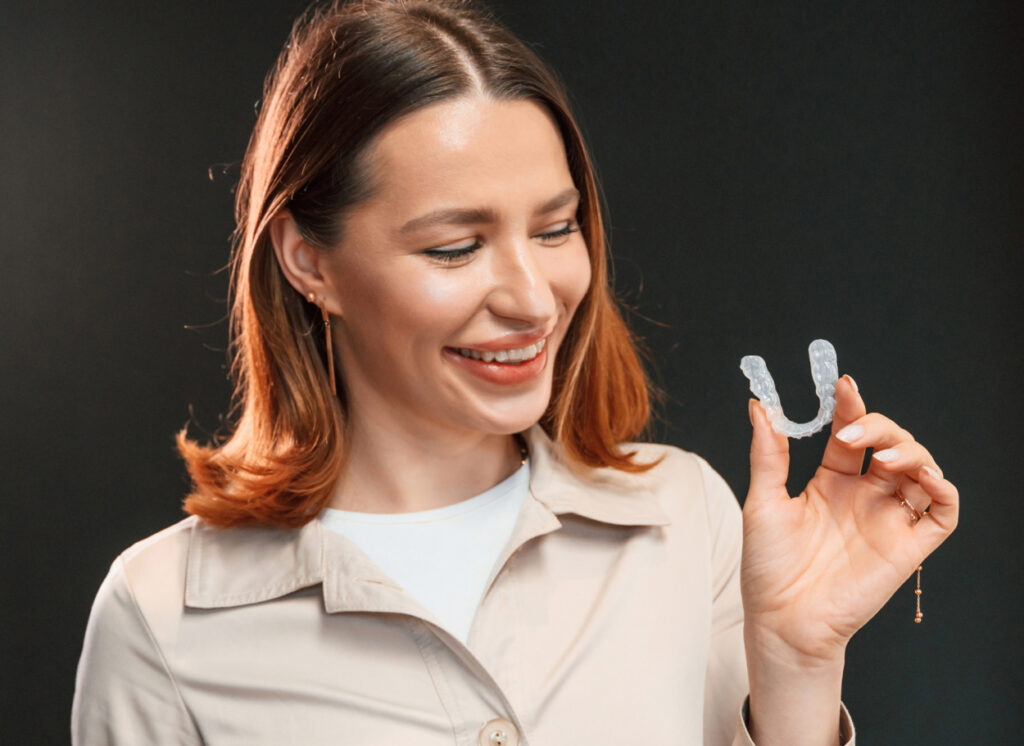
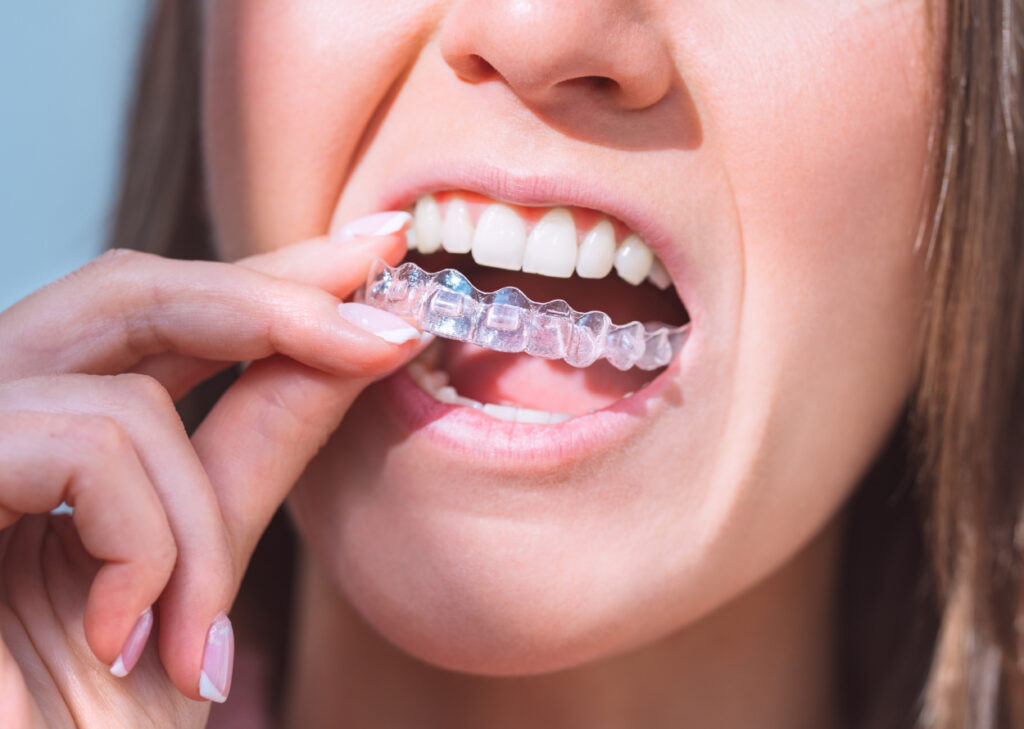
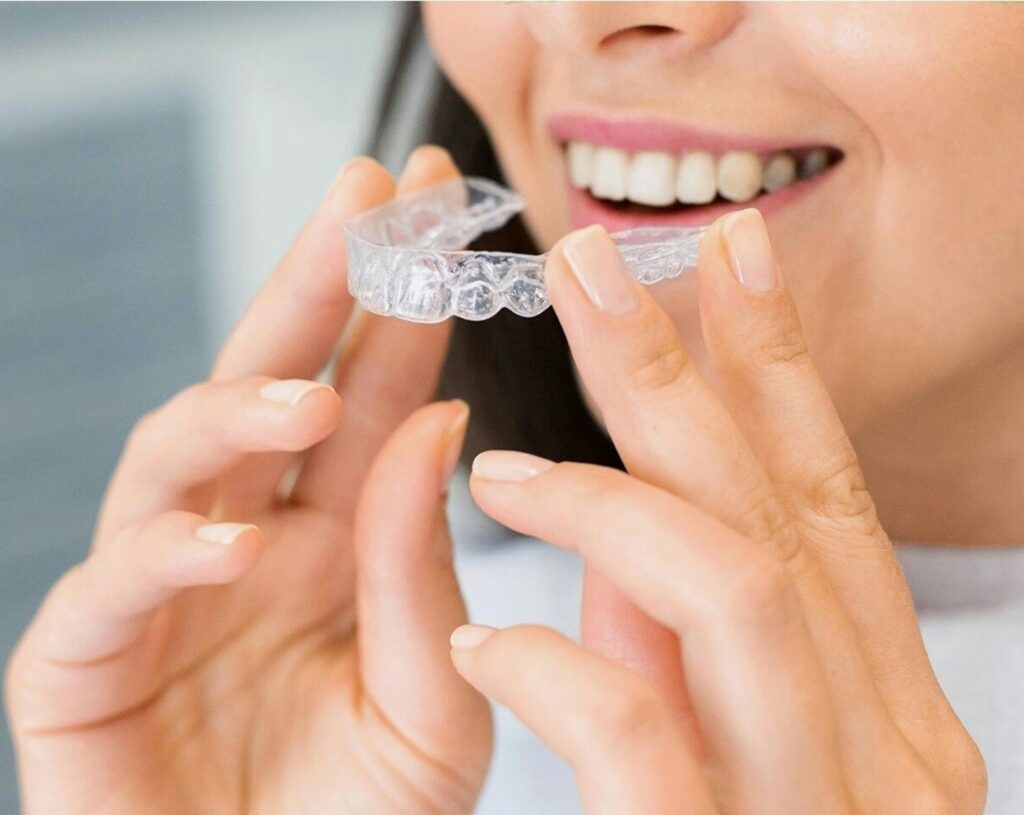
Removable aligners offer a different kind of orthodontic experience. Instead of brackets and wires fixed to the teeth, patients wear a series of clear trays designed to guide tooth movement gradually. The trays come out for meals, brushing, flossing, and special occasions, then go back in for most of the day. That simple difference shapes nearly every part of treatment, from comfort to flexibility to hygiene.
People often search for Invisalign Calabasas CA because they want a straighter smile without making their lives more complicated. That instinct makes sense. In practice, removable aligners can be very convenient, but convenience does not mean effortless. The best outcomes still depend on discipline, proper case selection, and realistic expectations. Understanding both the advantages and the trade-offs helps patients decide whether this approach truly fits their lifestyle.
Why removable aligners fit modern routines
Traditional braces ask patients to adapt to the appliance. Clear aligners tend to adapt more easily to the patient. That distinction sounds subtle, but it becomes meaningful within the first week of treatment.
Consider a busy parent shuttling between school drop-off, work calls, errands, and evening activities. Or a real estate professional meeting clients face to face several times a day. Or a high school student balancing classes, sports, and social events. In each of those situations, removable aligners reduce friction. They are discreet in conversation, easier to manage around meals, and generally less likely to interfere with short notice plans.
The ability to remove aligners matters most in moments people care about but rarely mention in a consultation. Lunch meetings, weddings, date nights, family photos, and presentations all feel easier when there is no metal attached to the teeth. Patients appreciate not having to navigate spinach stuck in brackets or a broken wire the night before an event. That kind of convenience is not cosmetic fluff. It is a practical benefit that affects confidence and consistency.
There is also the comfort factor. While clear aligners still create pressure as teeth move, they usually avoid some of the irritation that can come with brackets rubbing the cheeks and lips. Most patients describe the sensation as tightness for a day or two after switching trays, rather than the sharp pokes and sore spots that sometimes accompany wire adjustments.
Eating stays simple, which matters more than patients expect
One of the biggest quality of life differences is food freedom. With braces, patients often hear a long list of restrictions. Sticky candies, hard nuts, popcorn, crusty bread, chewing ice, and similar foods can damage brackets or wires. That does not mean every meal becomes stressful, but eating requires more caution.
With removable aligners, patients take the trays out and eat normally. That sounds almost too basic to emphasize, yet it is one of the strongest reasons people stick with treatment. There is no need to cut food into tiny pieces to protect hardware. There is no worry about a bracket coming loose halfway through dinner. There is no need to skip favorite foods for many months.
In Calabasas, where social dining is part of life for many households, this flexibility carries real weight. A family birthday dinner, a school fundraiser, an outdoor lunch after a hike, or coffee and pastries during a busy workday can proceed without much fuss. Patients do need to remember one rule: aligners should come out for anything other than plain water. But once that habit is established, the day tends to feel much less interrupted than it does with fixed appliances.
There is one catch. Because aligners are removable, they can also be forgotten, misplaced, or left wrapped in a napkin on a restaurant table. Anyone considering this treatment should be honest about whether they are organized enough to keep track of them. Convenience rewards responsibility.
Oral hygiene is usually easier, and that can protect the final result
Orthodontic treatment should improve a smile, not create new dental problems along the way. This is one area where removable aligners often have a practical edge. Patients can brush and floss normally because nothing is attached to the teeth. That makes it easier to clean around the gumline and between teeth, where plaque tends to accumulate.
Anyone who has tried to thread floss under archwires knows that cleaning with braces can become a project. It is possible to keep excellent hygiene with braces, but it takes more time and often more patience. Aligners simplify that process. For adults with crowns, bonding, or a history of gum sensitivity, that simplicity can be especially valuable.
Orthodontists and general dentists alike see the difference in patient behavior. People are more likely to maintain good cleaning habits when the routine feels manageable. The trays themselves also need care, but rinsing and brushing them gently is usually straightforward. A patient who already struggles to floss may not become magically perfect with aligners, but the barrier is lower.
That said, aligners are not maintenance free. Drinking coffee, tea, red wine, or sports drinks while wearing them can stain the plastic and trap sugar or acid against the teeth. Patients who sip beverages slowly throughout the day sometimes find this part challenging. The convenience of removable treatment works best when someone can eat and drink on a defined schedule rather than grazing constantly.
A discreet appearance helps people stay engaged with treatment
Many adults delayed orthodontic care for years because they did not want the look of braces. Some missed the window as teenagers. Others had braces before and saw shifting later in life. Some simply reached a point where they felt ready to invest in their smile but still wanted to look polished at work.
Clear aligners answer that concern better than almost any previous option. Up close, they are visible. They are not literally invisible, and no ethical provider should promise that. But at conversational distance, they are subtle enough that many people feel comfortable speaking, smiling, and being photographed without self-consciousness.
That matters in a community where patients may spend long hours in client facing roles, media adjacent work, hospitality, entrepreneurship, or social settings where personal presentation is part of the job. Searching for Invisalign Calabasas CA often reflects more than a preference for aesthetics. It reflects a desire to improve dental alignment without feeling like treatment has taken over one’s identity.
There is another psychological benefit. When people are not embarrassed by their orthodontic appliance, they tend to wear it more consistently. That can translate into better results and fewer delays. The appliance becomes part of the day rather than a source of friction.
The appointment schedule is often easier to manage
Convenience is not just about what happens at home. It is also about how often treatment interrupts the calendar. Traditional braces require periodic adjustments, and unplanned visits can happen if a wire breaks or a bracket comes loose. Aligner therapy still involves check-ins, but they are often shorter and, in straightforward cases, somewhat less eventful.
A patient may receive several sets of trays at once and change them according to the treatment plan, commonly every one to two weeks depending on the case. Follow-up appointments allow the orthodontist to confirm tracking, make refinements if necessary, and monitor overall progress. Some offices also use digital scans and remote monitoring tools to reduce unnecessary visits, though the specifics vary by practice.
For families juggling school, work, and traffic, fewer disruptions are a real advantage. A shorter visit every couple of months can feel much more manageable than frequent emergency appointments. Of course, this depends on compliance. If a patient does not wear aligners as directed, treatment can lose efficiency quickly and require extra visits to get back on track.
Convenience depends on wear time, not just design
This is where practical reality enters the conversation. Removable aligners are convenient because they come out, but they only work well when they stay in most of the day. In many cases, patients are told to wear them around 20 to 22 hours daily. That leaves enough time for meals, brushing, and a little flexibility, but not enough time to forget them for long stretches.
Some patients adapt immediately. Others struggle more than expected. A person who snacks all day, drinks coffee over several hours, or frequently moves between social engagements may find the routine less natural. Teens can do very well with aligners, but maturity matters. Adults usually appreciate the freedom, though busy adults can also become overconfident and leave trays out too often.
The people who get the most from treatment are usually the ones who treat aligners like a commitment rather than an accessory. They build a rhythm around them. Meals become a little more structured. Brushing happens more consistently. The case stays within reach. That discipline is not burdensome for most patients, but it is still required.
A useful self check is whether you are comfortable being accountable for your own progress. With braces, the appliance is always working because it is always on. With aligners, patient behavior matters more day to day.
Cases that respond especially well to aligners
Removable aligners are versatile, and modern systems can address far more than mild crowding. Many patients with spacing, moderate crowding, bite issues, and relapse after previous braces can be strong candidates. Attachments, elastics, interproximal reduction, and staged movements give orthodontists significant control when treatment is planned carefully.
Still, not every case is equally simple. Severe rotations, major bite discrepancies, significant skeletal concerns, and certain complex tooth movements may be better managed with braces or with a combined approach. This is not a flaw in aligners. It is simply a matter of using the right tool for the right problem.
An experienced provider will discuss that openly. If a consultation feels like a sales conversation instead of a clinical evaluation, patients should be cautious. Good orthodontic care starts with a diagnosis, not a brand preference. Invisalign Calabasas CA may be an excellent option for many people, but suitability depends on the details of the bite, the jaw relationship, gum health, existing dental work, and the patient’s habits.
Daily life with aligners, what patients usually notice first
The first few days often bring a brief adjustment period. Speech may feel slightly different, particularly with sounds that involve the tongue touching the back of the teeth. Most patients adapt quickly. There can also be a sense of pressure when a new tray begins, which is actually a sign that the aligner is engaging the planned movement. By day two or three, many people barely notice it.
What tends to surprise patients is how quickly aligners become routine. They learn when to remove them, how to clean them, and how to time meals. Many begin to snack less simply because taking trays in and out repeatedly becomes annoying. That side effect can be helpful for oral health, though not everyone sees it that way at first.
There are also small lifestyle lessons that only become obvious through experience. Trays should go into the case, not onto a plate or into a pocket. Hot water can warp them. Lip balm is useful if the mouth feels dry at the start. A travel toothbrush becomes one of the most practical items in a bag or car. These are not difficult adjustments, but they are the sort of details that separate a smooth experience from a frustrating one.
Here are a few habits that make treatment noticeably easier:
- Keep the aligner case with you, especially during meals out.
- Brush before putting trays back in whenever possible.
- Switch to a new tray at night, so the first hours of pressure happen while you sleep.
- Carry a small dental kit for work, school, or the car.
- Contact the office early if a tray cracks or stops fitting properly.
The social side of treatment is often underrated
Orthodontic treatment is clinical, but it is also personal. People think about their smiles in social settings more than they admit. They notice their teeth in photos, in close conversation, and during milestones. Weddings, graduations, job changes, dating, and reunions all sharpen that awareness.
Removable aligners reduce the social footprint of treatment. That does not mean vanity is driving the choice. More often, it means people want improvement without broadcasting that they are in the middle of a dental process. For professionals who present frequently, for teens who are already self-conscious, and for adults returning to treatment after relapse, that can be a meaningful relief.
There is a practical side to this as well. Patients who feel comfortable wearing aligners in public are less tempted to leave them out. A treatment option that fits socially often fits medically better too, because adherence improves.
Cost, value, and what convenience is really worth
Cost conversations vary by case complexity, treatment length, and office structure, so broad claims are rarely helpful. In many practices, removable aligners can cost about the same as braces or somewhat more, depending on the plan. The better question is not simply whether aligners are cheaper. It is whether the convenience and fit justify the investment for the individual patient.
For someone whose work depends on polished presentation, the value may be obvious. For a family managing several activities and appointments, fewer disruptions may matter more than anything else. For a patient with a history of poor brushing around braces, easier hygiene may protect both dental health and long term value. Convenience is not a luxury if it makes treatment more likely to be completed successfully.
Patients should also ask what is included. Refinement trays, retainers, replacement aligners, and follow-up visits can affect the overall picture. A low initial quote is not always the better deal if the plan is narrow or unclear. Transparent discussions about scope and expectations are worth far more than promotional language.
Choosing the right provider in Calabasas
The success of removable aligners depends heavily on planning. The trays are only as good as the diagnosis behind them. That is why provider experience matters. Invisalign Calabasas CA Orthodontists and dentists who work extensively with aligners tend to recognize the details that influence outcomes, including attachments, tooth shape, bite coordination, and the need for refinements.
When evaluating care, patients benefit from asking a few grounded questions:
- Is my case a strong fit for removable aligners, and why?
- What trade-offs should I know compared with braces?
- How long is treatment likely to take if things go as expected?
- What happens if a tray does not track well or if refinement is needed?
- What are the retainer plans after treatment ends?
These questions shift the conversation from marketing to judgment. They also reveal whether the provider is tailoring treatment or simply offering a one size fits all solution. In a market where cosmetic presentation can dominate the discussion, clinical honesty stands out.
Retention matters after the last tray
One point patients sometimes overlook is that convenience should extend beyond active treatment. Teeth naturally want to shift, especially after orthodontic movement. Retainers are not optional if the goal is to maintain the result.
The good news is that patients who do well with aligners often transition smoothly to retainers because the habit of wearing a removable appliance is already familiar. The provider will recommend a schedule, often more frequent wear at first and then nightly wear long term, depending on the case. This part of treatment is quiet but critical. A beautifully aligned smile can start changing surprisingly fast if retention is ignored.
From a practical standpoint, retention is the final test of whether someone values the convenience of removable care enough to use it consistently. Most do, especially after investing time and money to improve their smile. Still, it deserves emphasis because the end of active treatment can create a false sense that the work is finished.
Where removable aligners make the most sense
The convenience of removable aligners is not just about comfort or appearance. It is about compatibility with real life. They work well for patients who want flexibility at meals, easier cleaning, a discreet look, and fewer disruptions to daily schedules. In Calabasas, those benefits often line up naturally with the way people live and work.
At the same time, removable treatment asks for maturity and follow-through. Patients need to wear the trays as directed, keep them clean, stay organized, and communicate when something feels off. For the right person, those responsibilities are minor compared with the advantages. For the wrong person, the same freedoms can become obstacles.
That balance is what makes a thoughtful consultation so important. The best treatment is not the one with the flashiest reputation. It is the one that fits the bite, the goals, and the routine of the person wearing it. For many patients exploring Invisalign Calabasas CA, removable aligners offer a practical path to straighter teeth without forcing life onto hold. When treatment is planned well and worn consistently, that convenience becomes more than a selling point. It becomes the reason the process actually works.
Oaks Dental
5000 Parkway Calabasas, Suite 308
Calabasas, CA 91302
(818) 643-6521
FAQ About Invisalign Calabasas CA
How many hours a day should I wear Invisalign?
Clear aligners are typically worn for 20 to 22 hours a day. Follow your dentist’s instructions for your specific treatment plan.
What age is best for Invisalign?
Many teens and adults can use clear aligners. A dentist can assess dental development, oral health, and the type of tooth movement needed.
What affects the cost of Invisalign in California?
Cost depends on the complexity and length of treatment and what the quoted plan includes. Ask for an itemized estimate and check any orthodontic coverage with your insurer.