What Happens After Invisalign Treatment in Calabasas CA?
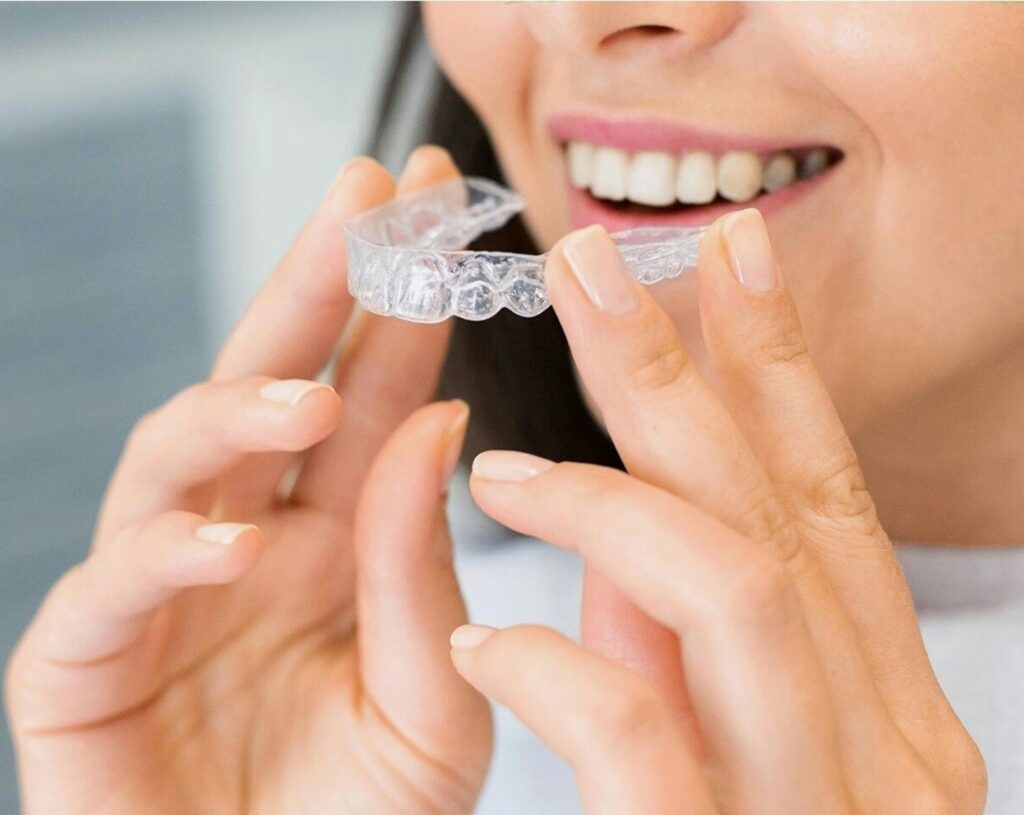
Finishing Invisalign feels like crossing a line you have been aiming at for months, sometimes well over a year. The aligners are done, the attachments come off, and the mirror finally reflects the version of your smile you were working toward. For most patients, that moment brings relief first, then excitement, then a practical question that matters more than many people expect: what happens now?
The short answer is that treatment is not truly over the day the last tray comes out. Teeth are living structures held in place by bone, gum tissue, and tiny ligaments that need time to stabilize. That is true whether someone completed a mild cosmetic alignment or a more involved bite correction. The smile may look finished, but the retention phase is where long-term success is protected.
For patients searching for Invisalign Calabasas CA, this part of care deserves as much attention as the active aligner phase. The people who keep their results for years are usually not the ones with the shortest treatment plans or the fanciest before-and-after photos. They are the ones who understand what the post-treatment period involves and who follow through on the small habits that preserve the outcome.
The day the aligners come off
At the final appointment, the visible signs of treatment often disappear quickly. If your case involved attachments, those small tooth-colored bumps are polished off. Many patients are surprised by how smooth their teeth feel afterward. If there was interproximal reduction, the slight reshaping done between certain teeth to create room, your orthodontist or dentist will confirm that spacing and contacts look appropriate and stable. Photos are usually taken, and in many offices a final scan or impression is made to capture the finished result.
That same visit often includes the most important next step: planning and delivering retainers. Some offices provide them immediately if they have been pre-made from a final scan. Others schedule a short follow-up once the retainers are fabricated. Either way, a patient should not assume there will be a long gap between finishing Invisalign and starting retention. That gap is where unwanted movement can begin.
People often imagine teeth staying exactly where they were moved, almost like furniture placed in a room. Biology is not that tidy. Teeth have memory. The surrounding fibers can pull them back toward older positions, especially during the first several months after active treatment. This is one reason post-Invisalign retention is not optional, even if the smile already looks excellent.
Why retainers matter more than most patients expect
The simplest way to explain retainers is this: aligners move teeth, retainers hold them there while the body adapts. Bone remodels around the roots over time, and the supporting tissues need a chance to settle. Without retention, even a beautifully completed case can drift.
Some movement after orthodontic treatment is common across the board, not just with clear aligners. The lower front teeth are especially prone to crowding over time. Night grinding, clenching, aging, changes in gum support, and natural bite forces all play a role. A patient who had a perfect lower arch at the end of treatment can see subtle changes surprisingly quickly if retainers are ignored.
This is where expectations matter. Wearing a retainer is not a sign that treatment failed. It is part of successful treatment. In experienced practices, that is discussed from the beginning because long-term stability is a shared responsibility. The provider creates the plan and tracks the outcome. The patient maintains it.
What kind of retainer you may receive
Most Invisalign patients finish with clear retainers that resemble the aligners they just stopped wearing. They are discreet, familiar, and effective when made well and worn as directed. In some situations, a fixed retainer, usually bonded behind the front teeth, may also be recommended. This is more common when lower front teeth were significantly crowded before treatment or when the provider wants additional insurance against relapse in a high-risk area.
Different offices have different retention protocols, and there is room for professional judgment. One patient may be told to wear retainers full time for several months before switching to nights only. Another may transition more quickly depending on how the teeth responded during treatment, how stable the bite is, and whether any stubborn rotations or spacing were involved. Teeth that were severely rotated before Invisalign often have a stronger tendency to relapse than teeth that moved in simpler ways.
The most common options include:
- clear removable retainers, often similar in appearance to Invisalign trays
- fixed bonded retainers, usually placed behind front teeth
- a combination approach, with a fixed retainer in one arch and a clear retainer for nighttime wear
The right choice depends on the case, the bite, the patient’s habits, and the provider’s assessment of relapse risk.
The first few weeks after treatment
The early retention phase catches many patients off guard because it feels deceptively easy. There are no more weekly or biweekly tray changes, and there is no active pressure pushing teeth into new positions. But during this stage, discipline matters as much as it did during treatment.
If a patient has been told to wear retainers nearly full time, that usually means they come out only for meals, brushing, and flossing. Night-only wear may sound more convenient, but shifting too early can allow minor movement that later becomes noticeable. A tray that feels tight at bedtime is often the first clue that teeth are trying to move during the day.
Speech adaptation is usually faster with retainers than it was with the first Invisalign trays, mainly because the patient is already used to having thin plastic over the teeth. Saliva flow, mild lisping, and awareness of the appliance tend to settle quickly. Comfort is generally good, but any sharp edge or pressure point should be addressed rather than tolerated for weeks.
One practical point that deserves attention is storage. More retainers are lost in restaurant napkins, car cup holders, and bedside tissue piles than patients realize. Replacing a retainer is possible, but it is far easier to avoid losing one in the first place.
What follow-up visits usually look like
After Invisalign, follow-up care tends to be simpler than active treatment, but it remains important. A provider may check fit, inspect the bite, review wear patterns, and confirm that no spaces are reopening. If bonded retainers are present, they need to be examined for breakage or areas that trap plaque. The gums matter too. Straight teeth are easier to clean, but only if brushing and flossing habits keep pace.
At these visits, patients often ask whether tiny changes are normal. The honest answer is yes, some settling can occur. A bite may refine itself slightly as teeth contact one another in a more natural pattern. That is not the same as relapse. The distinction is clinical and sometimes subtle, which is why periodic evaluation helps. A small shift caught early may be managed with a retainer adjustment, renewed wear, or a short refinement. Left alone too long, it can become a bigger correction.
For patients in the Invisalign Calabasas CA area, this is one reason local continuity matters. Being able to return to the same office that tracked your treatment can make follow-up smoother, especially if questions come up six months or a year later.
How long do you have to wear retainers?
This is the question nearly every patient asks, and the answer is longer than most people hope. Realistically, retention is ongoing. That does not necessarily mean full-time wear forever, but it does mean that nighttime retainer use is a long-term commitment if you want to keep your teeth aligned.
Many providers start with a more intensive phase, often several months of consistent wear, then shift to nights. Some recommend every night indefinitely. Others may approve a few nights per week after a period of strong stability, but only if the retainer continues to seat passively and snugly. If it starts feeling tight, wear usually needs to increase.
Patients sometimes test their luck by skipping nights for a week, then another week, then longer. That is often when a retainer that once dropped in easily starts needing pressure. Once a retainer no longer fits, it is not a harmless inconvenience. It can mean the teeth have moved enough that the current appliance may no longer be safe or effective to force into place.
There is no age at which teeth suddenly stop wanting to shift. Adults in their forties, fifties, and sixties can experience post-treatment movement just as younger adults can. Lifelong retention is not a marketing phrase. It reflects how teeth behave over time.
Eating, drinking, and everyday life after Invisalign
One of the pleasures of being done with aligners is simple freedom. You can drink coffee without worrying about staining trays. You can sit through a long dinner without checking the clock. You can travel without carrying multiple aligner sets. For many patients, the psychological lift is as meaningful as the cosmetic one.
That said, old habits should not disappear entirely. Good oral hygiene still matters because straighter teeth show plaque accumulation very clearly, especially near the gumline. If attachments created rough spots where plaque liked to collect during treatment, those areas may now feel smoother, but they still deserve attention. A fresh post-treatment cleaning can make a big difference in how polished the final result feels.
Whitening is another common topic after Invisalign. Many patients wait until attachments are removed before whitening so the color develops evenly across the full tooth surface. That is often a sensible approach, but the timing should be discussed with your dental provider, especially if there is existing sensitivity, recession, or restorative work such as bonding or crowns that will not lighten the way natural enamel does.
When refinements are needed
Not every case ends the moment the last tray in the original series is completed. Refinements are common, and they are not necessarily a sign of a problem. Teeth do not always move exactly as software predicts. A small rotation may lag. A bite may need better settling. A tiny space may remain where contacts are not ideal.
When that happens, the provider may scan again and order additional aligners. From a patient perspective, this can feel frustrating because the finish line moves. From a clinical perspective, it is often the difference between a decent result and a polished one. In my experience, patients are happiest long term when they understand that refinement is part of precision, not evidence that the original treatment failed.
After refinement, retention still follows. The same rules apply, and sometimes even more so if the final movements involved delicate detailing.
Signs something needs attention
Most post-treatment concerns are manageable if addressed early. Waiting is what turns a small inconvenience into a larger correction. Patients should contact their provider if they notice any of the following:
- a retainer that suddenly feels very tight or no longer seats fully
- a bonded retainer that feels loose, rough, or partially detached
- a space reopening, especially between front teeth
- visible shifting in the lower front teeth
- persistent bite changes that make chewing feel uneven or awkward
These issues are not always emergencies, but they do deserve evaluation. The sooner they are checked, the more conservative the solution tends to be.
The aesthetic phase many patients focus on next
Once alignment is complete, attention often shifts from straightness to finishing details. This can include whitening, edge bonding to smooth small chips, contouring minor irregularities, or replacing older restorations that now stand out more clearly against newly aligned teeth. Straightening often reveals these details rather than creating them. A tooth that always had a worn corner or a slightly different shade may simply become more noticeable once everything lines up.
That is not a bad thing. In fact, it can be the stage where the smile starts to look not just straight, but complete. A conservative bonding touch on one lateral incisor or a professional whitening plan can elevate the result without overdoing it. The key is restraint. Over-treatment can make a natural smile look artificial fast.
Bite function matters as much as appearance
Patients understandably focus on how their smile looks in photos, but orthodontic finishing is also about function. A stable bite distributes pressure better. It can reduce certain wear patterns and make chewing more comfortable. It may also make oral hygiene easier because crowded or overlapping areas are no longer plaque traps.
Still, not every symptom vanishes after Invisalign. If a person clenches at night, they may still need a nightguard strategy, especially if there is evidence of enamel wear, jaw soreness, or fractured dental work. Sometimes the retainer itself offers a degree of protection, but not always enough for a heavy grinder. That is a case-by-case discussion.
A well-finished Invisalign case should look balanced and feel balanced. If the smile photographs well but the bite feels off every day, something needs to be reassessed.
The role of age and lifestyle in long-term stability
A teenager finishing aligner treatment and a busy adult professional in Calabasas do not face the same retention challenges. Younger patients may still be growing. Adults may deal with stress clenching, irregular schedules, frequent travel, and restorative dental history that complicates maintenance. Someone who wears retainers faithfully at home may become inconsistent during a month of business trips or summer travel. That is often when small shifts begin.
Lifestyle is not a minor detail. It changes what retention plan is realistic. A patient who knows they are forgetful may do better with a fixed retainer in a high-risk area. Someone with excellent habits may thrive with removable retainers alone. A provider who understands those tendencies can tailor recommendations more effectively than one who gives every patient the same script.
Cost questions after treatment
Many people assume expenses end when the aligners end, but there can still be future costs. Replacement retainers are the most common. Clear retainers wear out, crack, or loosen over time, especially if they are exposed to heat, chewed on, or cleaned improperly. Bonded retainers may also require maintenance if they detach or collect buildup.
Costs vary by office and region, so exact figures should come from the treating practice. What matters is understanding that replacement is part of ownership. The patient who budgets for periodic retainer upkeep is usually the patient who avoids paying for retreatment later.
Keeping results strong for years
Long-term success after Invisalign is rarely dramatic. It comes from ordinary consistency. Wear the retainer as directed. Replace it when it no longer fits well or shows wear. Keep up with cleanings and exams. Say something early if the bite changes or teeth begin to shift. Those habits are not glamorous, but they protect the investment of time, money, and effort that went into treatment.
For anyone exploring Invisalign Calabasas CA, it helps to view the process in two chapters. The first chapter is active tooth movement, where aligners do the visible work. The second chapter is retention, where stability is earned quietly Invisalign Calabasas CA over time. The second chapter lasts longer, and in practical terms it is the one that determines whether the first chapter holds up.
A straight smile at the end of treatment is satisfying. A straight smile five years later is the real measure of success.
Oaks Dental
5000 Parkway Calabasas, Suite 308
Calabasas, CA 91302
(818) 643-6521
FAQ About Invisalign Calabasas CA
How many hours a day should I wear Invisalign?
Clear aligners are typically worn for 20 to 22 hours a day. Follow your dentist’s instructions for your specific treatment plan.
What age is best for Invisalign?
Many teens and adults can use clear aligners. A dentist can assess dental development, oral health, and the type of tooth movement needed.
What affects the cost of Invisalign in California?
Cost depends on the complexity and length of treatment and what the quoted plan includes. Ask for an itemized estimate and check any orthodontic coverage with your insurer.