Why Invisalign Calabasas CA Is a Popular Choice for Adults
Adults rarely walk into an orthodontic consultation because they suddenly became interested in perfect teeth. More often, they arrive with a very specific reason. A lower front tooth has started to overlap. Old bonding no longer blends well because the bite shifted. Night grinding is wearing down edges. A wedding, promotion, speaking role, or return to in person work has made them notice their smile in photos and on video calls. Sometimes the concern is cosmetic, sometimes functional, and usually it is both.
That mix of motivation helps explain why Invisalign Calabasas CA has become such a common request among adults. In communities where people balance work, family schedules, social obligations, and a strong interest in personal presentation, clear aligner treatment fits modern life unusually well. It addresses a real orthodontic need without asking patients to announce it to the room every time they smile.
The appeal, though, is not only about discretion. Adults tend to evaluate treatment through a different lens than teenagers do. They care about time, predictability, comfort at work, maintenance, and whether the process will interfere with meetings, travel, dining out, or parenting. Invisalign speaks directly to those concerns, which is why it continues to gain traction with mature patients who want meaningful change without the visible look and daily friction of traditional braces.
Adults want orthodontics that respects adult routines
One of the biggest differences between adult orthodontic patients and younger ones is that adults have very little tolerance for treatment that complicates an already full day. A parent with school drop off, client calls, and an evening event is not looking for one more logistical burden. A business owner who spends hours speaking face to face with clients does not want to worry about brackets catching the light or food trapped around wires at lunch. A working professional who travels frequently needs something manageable in airports, hotels, and conference settings.
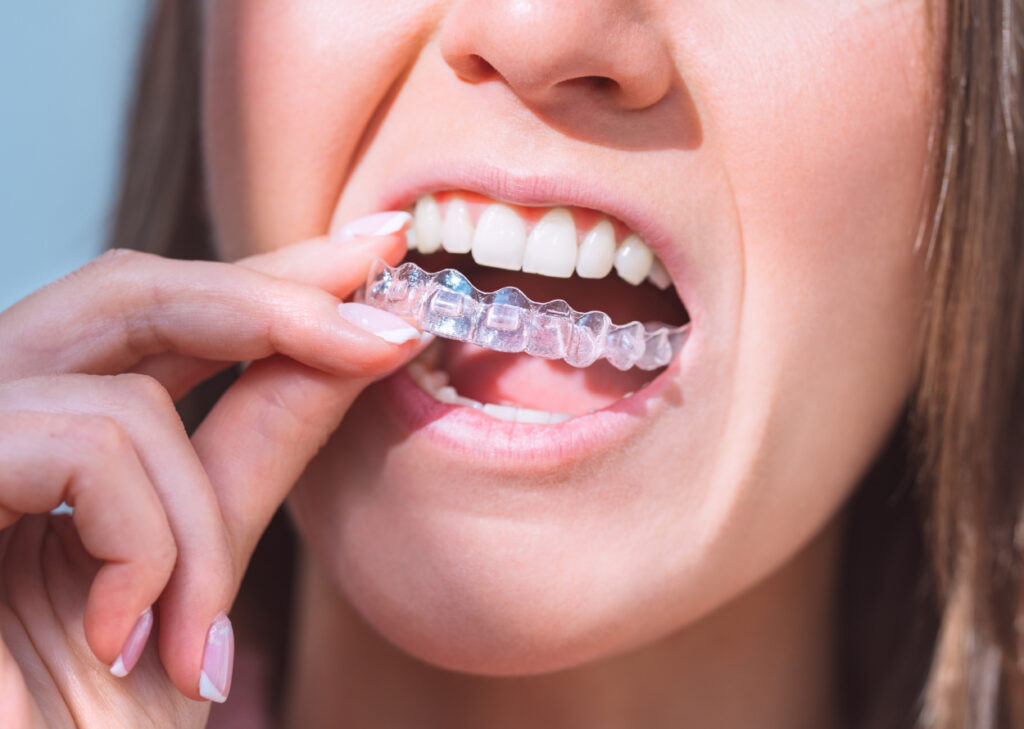
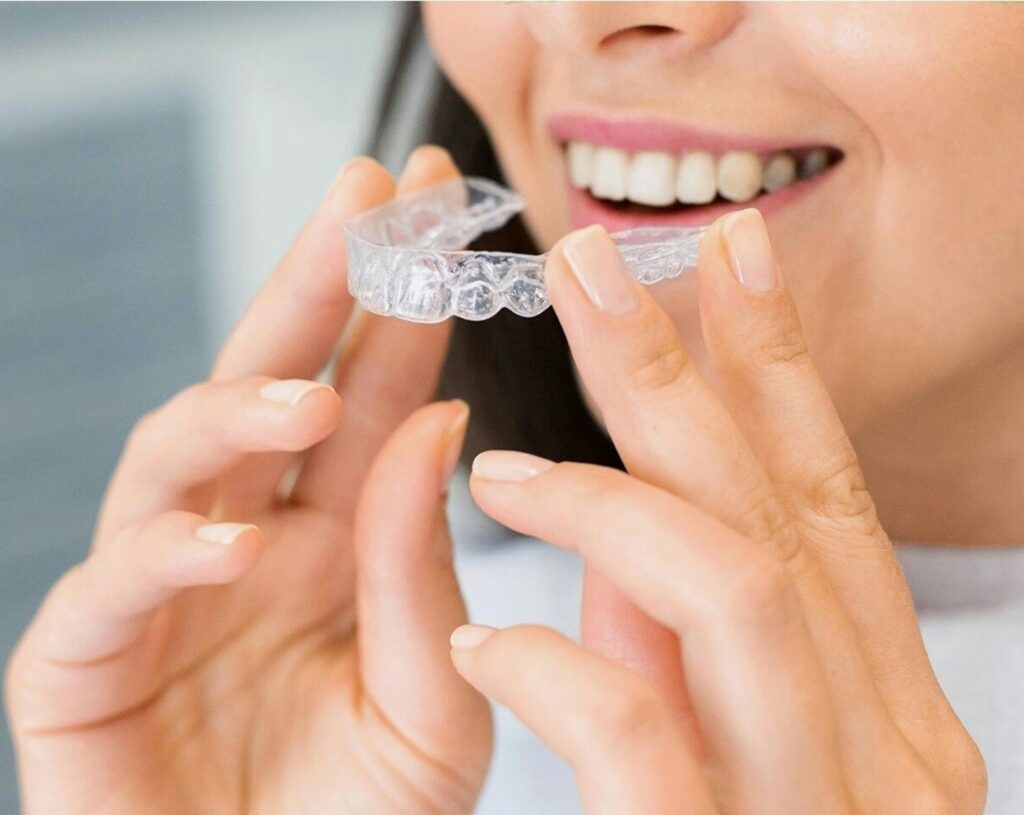
Clear aligners answer those concerns in a practical way. They are removable, so adults can take them out to eat, brush, floss, and attend certain short social or professional events. That flexibility matters more than many people expect. It means a patient can have salad with colleagues, give a presentation, and then return to treatment without the self consciousness that often comes with visible appliances.
There is a trade off, and adults usually understand it quickly. Invisalign works best when patients are disciplined enough to wear the aligners as directed, commonly around 20 to 22 hours per day. In other words, the convenience comes with responsibility. Adults are often better candidates for that kind of arrangement because they tend to be more motivated and more consistent than adolescents. They are choosing treatment with clear intent, and that intent often shows up as good compliance.
Appearance matters, and adults are honest about that
Some people feel awkward admitting that aesthetics influence their treatment choice. They should not. Appearance is a legitimate factor, especially for adults whose work or social life places them in front of others every day. Calabasas is a place where image, polish, and confidence can have real personal and professional value. That does not mean vanity drives every decision, but it would be unrealistic to pretend it plays no role.
Traditional braces have improved over the years, but they are still visible. Even ceramic brackets, which are less noticeable than metal, usually remain obvious at conversational distance. Invisalign aligners, by contrast, are difficult to notice unless someone is looking closely. For adults who have delayed treatment for years because they did not want a metal smile in their thirties, forties, or fifties, that difference can be the deciding factor.
I have seen many adults relax almost immediately when they realize orthodontic treatment no longer has to be a public statement. A patient may come in saying, “I should have fixed this years ago, but I was never going to wear braces in client meetings.” That hesitation is common. Once invisible or near invisible treatment becomes a realistic option, the emotional barrier drops.
Comfort often drives the decision more than people expect
Adults who had braces as teenagers often remember sore cheeks, poking wires, broken brackets, and emergency visits. That memory shapes their assumptions. Invisalign does create pressure, especially when moving to a new set of aligners, but most adults describe it as more manageable than the irritation caused by brackets and wires.
The reason is simple. Smooth plastic trays do not scrape the inside of the lips and cheeks the way fixed appliances can. There are fewer surprise moments, fewer “something snapped at dinner” calls, and usually fewer food related mishaps. For adults with demanding schedules, those details matter. It is hard to overstate how much patients value a treatment system that does not derail a workday over a loose wire.
Comfort does have nuance. Some attachments, those small tooth colored shapes bonded to teeth to help the aligners grip and move them, can feel unusual at first. Speech may change slightly for a few days. A new tray can create tightness, particularly during the first 24 to 48 hours. But these issues tend to settle. Adults who are prepared for that adjustment generally handle it well.
The treatment fits better with adult hygiene habits
A practical point that often gets overlooked is oral hygiene. Adults are more likely than teenagers to have existing dental work, gum concerns, recession, crowns, veneers, or a history of periodontal treatment. Fixed braces can make brushing and flossing much harder, and they may increase plaque retention if hygiene slips. Invisalign does not eliminate the need for excellent home care, but it does make that care far easier to maintain.
When aligners are removed, patients can brush and floss normally. That simplicity is especially important for adults who already invest in preventive care and do not want orthodontics to interfere with gum health. In practices that treat a large number of adult patients, this is often part of the conversation from the beginning. Straight teeth matter, but healthy supporting tissues matter more. A beautiful alignment result is not a success if the gums suffer in the process.
That said, removable aligners introduce a different responsibility. If a patient drinks coffee, tea, or wine with trays in, staining can occur. If they snack frequently and fail to brush before reinserting the aligners, they may trap food debris and plaque against the teeth. Adults who do best are usually the ones willing to tighten up habits a little. They keep a toothbrush at work, carry a travel case, and learn quickly that treatment rewards consistency.
Invisalign works well for many adult cases, but not every case
Part of the popularity of Invisalign Calabasas CA comes from better technology and broader case acceptance than people remember from earlier years. Many adults assume aligners are only useful for minor cosmetic touch ups. That is outdated. Clear aligners can address crowding, spacing, certain bite problems, and relapse after previous orthodontic treatment. They are often effective for adults whose teeth shifted after not wearing retainers, which is one of the most common reasons people return for orthodontic care later in life.
Still, no responsible provider should suggest that aligners are ideal for every patient. Some movements remain more challenging with removable trays, depending on the severity and complexity of the case. Significant skeletal discrepancies, advanced bite correction needs, or situations involving major tooth rotations or vertical changes may call for other options, or a hybrid approach. Experienced clinicians know when Invisalign is the right tool and when another method will provide better control.
This is one area where adults benefit from a candid consultation instead of marketing promises. A good orthodontic discussion includes trade offs. If the case is mild to moderate, aligners may offer excellent esthetics with strong results. If the case is more involved, the provider may explain that fixed braces could move teeth more efficiently or predictably. Patients appreciate honesty, especially adults paying for treatment themselves.
The appeal is strong in communities with active social and professional calendars
Lifestyle plays a larger role than most articles acknowledge. In Calabasas, many adults lead highly scheduled lives. They move between professional meetings, school functions, fitness routines, social events, travel, and family responsibilities with very little margin. Treatments that ask for repeated emergency visits or create frequent disruptions tend to lose appeal quickly.
Invisalign fits that environment because it is structured, planned, and relatively unobtrusive. Appointments are often focused on progress checks and aligner updates rather than repairs. Patients can remove trays for important meals or special occasions, provided they return to good wear habits right away. That flexibility allows treatment to coexist with life rather than dominate it.
There is also the reality of public visibility. Some adults in Calabasas work in industries where on camera appearance matters. Others simply spend a lot of time in social settings where they prefer a less noticeable treatment option. The ability to improve alignment while maintaining a polished appearance is a major reason adults choose aligners over braces.
Adults often come in for one concern and discover several benefits
A common pattern in adult treatment is that the presenting complaint sounds cosmetic, but the underlying value becomes functional as well. Someone may say they want to close a space in front, only to learn that the spacing is tied to bite changes or tongue posture. Another adult may want straighter lower incisors, then discover that crowding is making flossing harder and increasing plaque retention. A patient bothered by chipping may find that correcting the bite reduces the forces causing the wear.
This matters because adults often justify treatment to themselves in stages. At first, the reason is, “I want to feel better about my smile.” Later, it becomes, “I also like that my teeth are easier to clean,” or “My bite feels more balanced,” or “I stopped worrying about that one tooth getting worse every year.” Invisalign tends to do well with this adult mindset because it solves visible concerns while supporting broader oral health goals.
The process feels more predictable than many adults expect
Predictability is a powerful selling point for adults. They want to know what the commitment looks like, how long it may take, and what the checkpoints are. While no orthodontic treatment is perfectly linear, Invisalign often feels organized in a way adults find reassuring. Digital scans, staged tooth movement, and a tray by tray sequence create a clearer sense of progression than many patients anticipate.
That does not mean treatment is passive. Refinements are common. Teeth do not always move exactly on schedule, especially if aligners are worn inconsistently. Some adults need additional sets of trays to fine tune the result. This is normal and should not be framed as a failure. What matters is that the process can be monitored closely and adjusted when needed.
Adults usually respond well when expectations are set properly at the start. If they understand that a straightforward case might move efficiently while a more detailed finish may require extra refinement, they are less likely to become frustrated. In my experience, the happiest patients are not those promised speed at all costs. They are the ones given realistic timelines and thoughtful care.
Who tends to be happiest with Invisalign
Not every adult is equally suited to removable aligners. The treatment rewards certain personality traits and habits. Patients who succeed tend to value routine, follow instructions carefully, and have a clear reason for wanting change.
Here are the adults who often do especially well:
- Professionals who want discreet treatment during meetings, presentations, or public facing work.
- Former braces patients whose teeth shifted after years without retainer wear.
- Adults with mild to moderate crowding or spacing who want meaningful improvement without fixed appliances.
- Patients committed to strong hygiene and regular wear habits.
- Busy parents or travelers who need orthodontic care that fits a mobile schedule.
Those patterns are common, but they are not strict rules. Someone with a complex case may still be a good aligner candidate, and someone with mild crowding may struggle if they frequently forget to wear trays. A consultation is about matching the treatment to the person, not only the teeth.
Cost matters, but so does the value equation
Adults are practical about money. They want to know whether Invisalign costs more than braces and whether the premium, if there is one, is worth it. Fees vary by case complexity, treatment length, provider experience, and region. In many practices, the price difference between aligners and braces is not dramatic, especially for moderate adult cases. In others, it may be more noticeable.
What adults often evaluate, though, is not just the sticker price. They assess the value of discretion, flexibility, comfort, and convenience. If treatment lets someone move through work and social life with less friction, that has value. If it makes brushing and flossing easier during treatment, that has value. If it encourages an adult who would otherwise postpone care for another decade, that may be the biggest value of all.
This is also where provider quality matters. Choosing a practice solely on the lowest advertised fee can backfire if planning is superficial or follow up is inconsistent. Adult cases often require a nuanced eye, especially when there are old restorations, gum recession, previous orthodontic relapse, or bite wear involved. Good treatment planning is rarely the place to bargain aggressively.
What adults should ask at a consultation
A productive Invisalign consultation is less about sales language and more about clarity. Adults benefit when they leave with a realistic picture of candidacy, timeline, limitations, and retention. The right questions can reveal a lot about how carefully a case will be managed.
Useful questions include:
- Is my case a strong fit for Invisalign, or would another method be more predictable?
- What is a realistic time range for treatment, including possible refinements?
- Will I need attachments, elastics, or any enamel reshaping to get the result you recommend?
- How will retention work after treatment, and what happens if I do not wear retainers?
- Are there any gum, bite, or restorative issues that should be addressed before we begin?
Adults who ask thoughtful questions tend to Invisalign Calabasas CA feel more confident in their decision. They also tend to understand that successful treatment involves partnership, not just purchasing aligners.
Retention is the part adults underestimate
One reason adults seek Invisalign is relapse from earlier orthodontic work. Teeth have memory, and they continue to experience pressure from chewing, aging, grinding, and surrounding tissues. That means retention is not a temporary formality. It is part of the long term plan.
This is especially relevant for adults because many have already learned, the hard way, that straight teeth do not stay perfectly straight on their own. A lower incisor that looked ideal at age seventeen may crowd by the mid thirties. An upper front space can reopen. A bite can settle differently over time. Invisalign can correct those changes, but maintaining the result requires commitment to retainers.
The adults who remain happiest years later are usually the ones who accept this without resentment. They do not see retention as a nuisance added at the end. They see it as the price of keeping the investment.
Why the popularity keeps growing
The rise of Invisalign among adults is not a trend built on hype alone. It reflects a real shift in how orthodontic care fits adult life. People no longer assume they missed their chance if they did not straighten their teeth as teenagers. They want options that are discreet, practical, and compatible with mature responsibilities. Clear aligners meet that need well.
For many adults considering Invisalign Calabasas CA, the appeal comes down to a simple calculation. They want straighter teeth, a healthier bite, and more confidence, but they do not want treatment to take over their identity or Invisalign Calabasas CA routine. Invisalign offers a middle path. It is visible enough to demand commitment, but subtle enough to preserve privacy. It is structured enough to move teeth effectively, but flexible enough to work around real life.
That combination is hard to beat. Adults notice it, and increasingly, they act on it.
Oaks Dental
5000 Parkway Calabasas, Suite 308
Calabasas, CA 91302
(818) 643-6521
FAQ About Invisalign Calabasas CA
How many hours a day should I wear Invisalign?
Clear aligners are typically worn for 20 to 22 hours a day. Follow your dentist’s instructions for your specific treatment plan.
What age is best for Invisalign?
Many teens and adults can use clear aligners. A dentist can assess dental development, oral health, and the type of tooth movement needed.
What affects the cost of Invisalign in California?
Cost depends on the complexity and length of treatment and what the quoted plan includes. Ask for an itemized estimate and check any orthodontic coverage with your insurer.